

Why another blog?
There are already 300 million of them
ReCent Posts

I have been sponsoring a university student from Moldova; 20 years old and had never discussed finances at home. Every Moldovan understands budgets due to low incomes, but financial literacy ends there. About 2/3 of American 20 year olds are financial illiterates but listening to this Moldovan’s expectations is cringe worthy - get any university degree which leads to a large salary then a ‘forever’ home on a lake with parking for a Lambourghini, and you are not even 30 years old. When he arrived, his first priority was obtaining a credit card and was annoyed by the different interest rates of different cards. Then he spent time focussing on his credit score. He got a part-time job tutoring math students at the college, making 75% of his mother’s income and then was outraged that he had to pay taxes. He is slowly becoming aware that those with a very large incomes work long hours with a skill that is in demand and the pressure doesn’t end during your working life. So there is little time to enjoy what wealth buys. In Moldova, the average income is $670 USD per month; the average apartment rents for $200 to $310 and food another $500 per month. Cars and computers cost the same as they do in the US. Now try to save 20% after needs and wants to put into savings for future catastrophes. We discuss American financial “Rules of Thumb” but they simply do not work in Moldova. Moldovans live in a different situation. In 2022, the average annual American salary after taxes was $58,389. Depending on all the variables it costs a total of $30,000 to $42,000 for housing, food, transportation, medical, and the rest of the taxes. There has been 13% inflation since then, but one could still put aside 20% into savings and still have something left over for indulgences. The rich spend more money in absolute terms but they have choices. They can spend a great deal of money for an extravagant lifestyle, or spend less and blend in with the middle class as “the millionaire next door”. But the mandatory spending for needs is a smaller percentage of their total income. I tried to continue the conversation with Moldovan reality but there was not sufficient information. So what about the 10% of the American population that is considered ‘poor’. Accommodation is a killer for the poor. Using Seattle as a 10 year example, the rich person bought 2 houses side-by side and rented them out. The renter initially paid $1600 monthly and this increased to about $2200 in 10 years, for a total of $220,000. The renter was evicted at that time 10 years older but with a good renter reference. The rich guy was net $660,000 richer. It is hard to assign fault for the food deserts in impoverished neighborhoods. The net effect is that you pay higher prices at the corner store or you travel a much farther distance to a large food store for cheaper prices. Small corner stores generally do not sell in bulk, but the poor cannot afford the initial outlay costs of a trip to Costco where the food would be half the price of the corner store. Even the homeless living in tents have additional expenses for ice for their ice chest to keep food cool, propane for their stoves for cooking, water for drinking. The social security data show that the richest 1% males live almost 15 years longer and the women 10 years longer than the poorest 1%. Can we blame good, but expensive health insurance for the difference? Transportation is expensive as it takes more maintenance costs to keep an older car running but how do you put a cost for the hours of waiting for slow public transportation even if it is reasonably available? What is your time worth while waiting for a bus? Is it better to buy low quality clothing every year or good quality clothing every 5 or 10 years for a purchase price of about double. Can they even afford to maintain their clothing if seams start to separate? The poor often only have the option of 2 bad choices and so have to sacrifice their long term future just to get through the short term day. These choices compound over time and become very expensive. Payday loans, low credit scores, banker’s charges for overdrawn accounts all add up. They have a multitude of small expenses that nickel and dime one continuously. So how is the Moldovan prodigy reacting? He is realizing that adulting may not be as easy as he thought. He is thinking about this subject in his spare time. For instance, he asked me one day if divorce was the only instance where someone gets rewarded (with division of assets) for breaking a contract. The message I keep repeating is that wealth isn’t about what you can spend but rather being in control of your life and having choices. In order to accumulate this wealth he will be working long hours and continuously improving his skills base. He may be able to afford the perks of wealth but he won’t have the free time to enjoy them; however, his kids most certainly will.

The ‘wisdom’ tells us there are 3 stages of retirement: go-go, slow-go and no-go. I hadn’t given much thought to transiting to the second stage as I was too busy in the go-go stage. Besides, other than a brief episode of atrial fibrillation, I was physically unrestricted. I wasn’t happy about weighing 20 pounds more than when I retired but was working at it and I hadn’t been sick and kept up the recommended booster shots against ‘flu and Covid. Nothing had changed and aging was just a number. I vaguely thought that I would ease into the next stage sometime in the future, like a controlled motion down a gently inclined ramp until you reach the point where an activity seems too much effort. You are now a go-slow. I have since learned that the gentle ramp is more like a set of stairs and some of the steps have deep drops. It began as a free-fall, suddenly, with a viral bronchitis which made breathing difficult unless I continually coughed. In 6 weeks it had progressed to edema of my legs secondary to congestive heart failure and oral diuretics were not much use in controlling the edema. This caused profound shortness of breath with any muscular movement. Additionally, the edema was such a degree that any movement such as getting into a car was a struggle because my knees were so tight with edema they wouldn’t bend enough to get in a car. Extensive work up showed all the usual suspects were working well: heart, kidneys and liver. However, your heart is surrounded by the pericardial sac; this holds the heart and attaches the heart to the upper rib cage. Ultrasound showed that here was fluid inside the sac that compressed my heart to a degree that the heart could no longer fill with enough blood for my needs. My heart was getting shrink wrapped. This resulted in a procedure using a hook to tear a hole in the sac to let the fluid out, but it was minimal help. It had now been present for 4 months and as the edema progressed the shortness of breath got worse. Hospital admission for maximal treatment of my edema was successful enough that they decided that they would open my chest and cut a window from the pericardium. The relief of my shortness of breath was notable from the first post op day. I lost the 40 pounds of edema, but all the lying around in bed had resulted in loss of muscle mass and my weight now is the same as in high school. So far it has been 9 months of improvement in strength and endurance. Mentally, I was fine and scoured the internet for various subjects like AI and the projected/unexpected consequences, thoughts on rebuilding the destruction of Palestinian Gaza, and annoying the Moldovan university student I am sponsoring with financial realities. I am also minimalizing my life by purging things I haven’t used or thought of for 10 years. I have since learned this is called ‘Swedish death cleaning’. What have I learned as I enter what I hope will be a long go-slow period? The go-go years can end abruptly so do not postpone any physical interests because you have “plenty of time”. Remain curious and act on those interests: take up mountain climbing, martial arts or whatever.
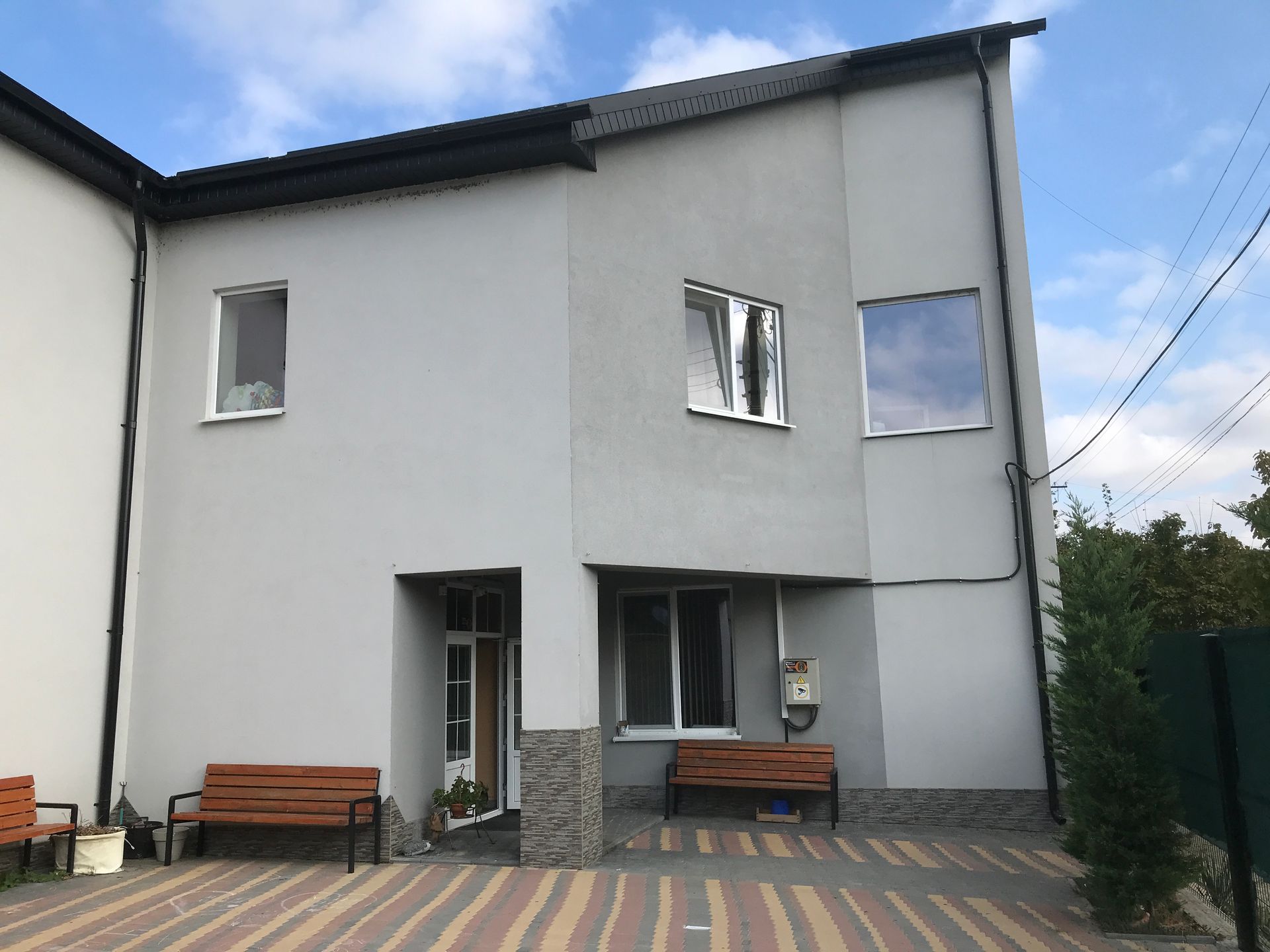
Cyclists in Prague appeared slightly different but I couldn’t figure out why. When the same feeling occurred in Budapest it suddenly struck me … no bicycle helmets! They just hop on their bikes without the preparation we have come to expect in Bellingham. Flashback to when I was a kid and packs of us rode all over, including downtown in a major city, generally obeying the rules, because we understood the pain of getting hit by a car. So we paid attention. A herd of kids on bikes would chase the mosquito spray truck down the street and suck up the mist. We all survived that. A friend was over and we were cooking dinner (actually she cooked and I refilled her wine glass). She asked for a wooden spoon and then commented that it had never been used. I replied that it always made me vaguely uncomfortable. After some penetrating questions, she decided that it was the enforcer of choice if I annoyed by Mother or Grandmother enough. My pure Pavlov response. Teachers threw objects at misbehaving students and if you were in real trouble, there was a public strapping, five on the right hand and 5 on the left. Then there was Mrs. Neubauer who liberally applied her yard stick - anywhere she could reach. I believe the PC term today is somatic punishment and is against the law in 51 countries and the majority of American states. But it sure taught us compassion and respect. And we all survived. We travelled around in cars without seat belts and I never saw an infant car seat until I was 25 yo. When I was a teen, we all drove in the bed of open pickup trucks. I hitch hiked to school in the morning and eventually all over the country. And we generally survived. We had candy cigarettes, made clay ashtrays as school crafts, played cops and robbers with BB guns, practiced blowing up things with fireworks and drank out of the garden hose. We watched movies where people were shot with guns or hacked up with swords. Our parents kicked us out of the house at 9 AM to “Go play in the street” and told us not to return until dinner. We never used sunscreen because a good tan was considered healthy. The playground equipment was embedded in concrete reinforced with asbestos. We had unsupervised play with water pressure rockets, target-tipped bows and arrows and lawn darts. We were free range kids. My internet was the library and I spent hours scrolling through it. We learned a lot of lessons and we survived. A slice of bread (reinforced with iodine and preservatives) was a sandwich, hot dog bun, hamburger bun and garlic bread - all-in-one. Food allergies were unknown. We ate sugars and fats and there were very few chubby kids because we were so physically active. Organic was what your grandmother grew, after she added chemical fertilizers and had sprayed for insects. We survived. Now that we are living in an enlightened age, and have cancelled all the above, has the product improved? It seems 44% of university students are depressed, 37% are anxious and the list continues with ADHD, disruptive behavior disorders and the rest. Will they survive?